Aluminum Casting Company is offering trusted services in this helpful article.
Wiki Article
Exactly How Recycled Metals Power Sustainable Production in Today's Aluminum Foundries
The aluminum industry is undertaking a considerable improvement driven by the fostering of recycled steels. This change not only improves energy efficiency but likewise lessens ecological impact. Innovations in reusing innovation are necessary in this procedure, making sure the top quality of recycled aluminum satisfies sector criteria. As the need for lasting production rises, it raises questions about the future of light weight aluminum foundries and their role in a round economic situation. What are the implications for production techniques?The Value of Reusing in the Light Weight Aluminum Sector
Recycling plays a necessary function in the light weight aluminum industry, considerably lowering the environmental effect related to steel manufacturing. The procedure of recycling light weight aluminum needs substantially less energy contrasted to main production, making use of approximately 95% less energy and resulting in lower greenhouse gas discharges. This energy performance not only saves natural deposits yet additionally decreases the environmental footprint of aluminum manufacturing. Furthermore, reusing aluminum adds to a circular economy, where products are continuously repurposed, therefore reducing the demand for virgin materials. Precision aluminum casting. The aluminum sector take advantage of the high value of recycled aluminum, which is usually favored because of its quality and lowered ecological cost. As more customers and markets choose recycled products, the demand for recycled aluminum continues to grow, promoting sustainable practices. On the whole, recycling is not simply a cost-efficient service; it is a crucial component in promoting environmental sustainability and reinforcing the aluminum sector's future
Advancements in Recycling Technology
As the aluminum industry develops, advancements in recycling technology are transforming the method recycled metals are refined and utilized. Advanced sorting methods, such as computerized optical sorting, currently allow shops to effectively identify between various aluminum grades, ensuring greater purity in recycled materials. In addition, the execution of hydrometallurgical processes permits the extraction of light weight aluminum from complicated waste streams, improving general healing rates.
The assimilation of synthetic knowledge and equipment understanding in reusing operations enhances decision-making and operational efficiency. These modern technologies optimize the recycling process by anticipating product circulations and determining potential ineffectiveness.
The growth of closed-loop recycling systems decreases material loss and sustains constant use of aluminum products. Innovations in chemical reusing methods are additionally arising, enabling the recovery of light weight aluminum from items that were formerly regarded non-recyclable. Jointly, these improvements are setting brand-new requirements for sustainability in aluminum factories, advertising a circular economy.
Energy Effectiveness and Environmental Influence
While the aluminum factory industry makes strides in recycling technology, it also faces pressing difficulties regarding power efficiency and environmental effect. The manufacturing of light weight aluminum from recycled products greatly lowers energy consumption contrasted to primary aluminum production, yet several shops still rely upon energy-intensive processes. These procedures add to greenhouse gas discharges and environmental destruction, highlighting the need for improved methods.Executing energy-efficient innovations, such as innovative melting and spreading methods, can alleviate these influences. On top of that, spending and optimizing logistics in renewable resource sources are essential for reducing the carbon impact linked with light weight aluminum manufacturing. The change to lasting methods not just profits the atmosphere however can likewise boost the economic feasibility of factories, attracting ecologically aware consumers and capitalists. As the market progresses, focusing on power efficiency and minimizing environmental harm will be essential for the lasting sustainability of light weight aluminum foundries in a competitive market.
Quality Control in Recycled Aluminum Production
Protecting premium requirements in recycled aluminum production is essential for maintaining the integrity of the final product. This procedure begins with the mindful choice of scrap materials, where impurities such as plastics, finishings, and other steels are thoroughly gotten rid of. Advanced sorting modern technologies, such as automated systems and hand-operated inspections, play an essential function in attaining this objective.When the scrap is deemed appropriate, strenuous melting and casting procedures are employed, carefully monitored to keep temperature and structure (Aluminum Foundry). Quality guarantee methods involve regular tasting and testing of the liquified light weight aluminum to detect impurities and ensure it satisfies sector requirements
Additionally, qualified high quality monitoring systems are carried out, enabling foundries to track manufacturing metrics and maintain compliance with international standards. By focusing on quality control throughout the manufacturing cycle, light weight aluminum shops can produce high-performance products that not just fulfill consumer expectations but additionally add to lasting production practices.
Future Trends in Sustainable Aluminum Production
The future of sustainable aluminum production is poised for considerable transformation, driven by advancements in modern technology and boosting environmental awareness. Market leaders are exploring sophisticated reusing methods that enhance material recovery and decrease waste. The integration of artificial knowledge and maker discovering in factories is expected to maximize manufacturing processes, guaranteeing effective use resources while reducing carbon discharges.The use of renewable power resources, such as solar and wind, is expected to come to be a basic method in light weight aluminum production, more reducing the sector's carbon impact. Collaboration among manufacturers, federal governments, and research study establishments is crucial to establishing lasting methods and establishing governing frameworks that advertise environmentally friendly operations.
Often Asked Concerns
What Sorts of Metals Are Commonly Recycled Together With Aluminum?
Generally recycled steels alongside light weight aluminum consist of copper, steel, zinc, and brass. These products are usually accumulated from various resources, including building and construction sites, auto elements, and customer products, adding to a circular economic situation and lasting source monitoring.
Just How Is Recycled Aluminum Different From Key Light Weight Aluminum?
Recycled aluminum differs from main aluminum in its production procedure; it calls for significantly less power and discharges less greenhouse gases. Furthermore, recycled light weight other aluminum maintains comparable buildings and quality, making it a sustainable alternative for various applications.What Are the Economic Benefits of Utilizing Recycled Metals?
Utilizing recycled steels considerably decreases manufacturing costs, decreases power intake, and lowers garbage disposal expenses. This approach likewise fosters task development in reusing markets, contributing to a more lasting economic situation while improving resource efficiency throughout various industries.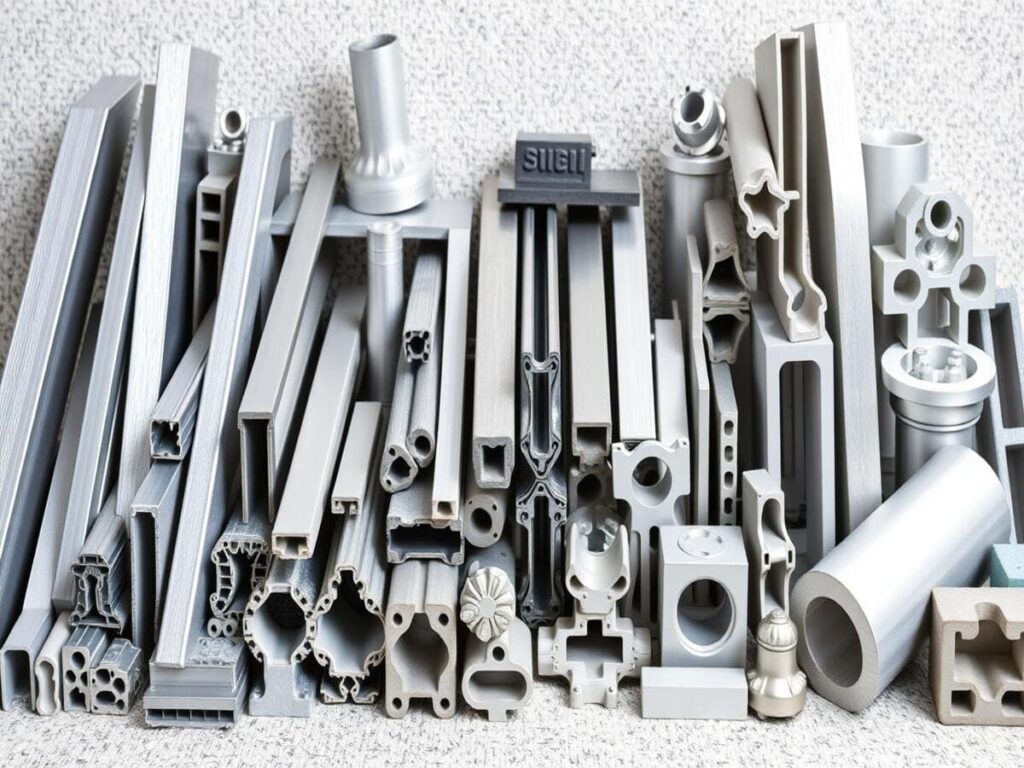
Exactly How Does Recycled Light Weight Aluminum Influence Item Layout?
Recycled light weight aluminum affects item style by enabling higher versatility in dimensions and forms, minimizing weight, and motivating cutting-edge strategies. Developers can incorporate sustainability seamlessly, improving appearances while decreasing ecological effect and resource consumption.Are There Particular Regulations for Recycled Aluminum Manufacturing?
Yes, particular regulations control recycled aluminum production, concentrating on environmental criteria, security protocols, and reusing processes. Compliance guarantees that makers lessen exhausts, advertise lasting techniques, and keep product quality throughout the aluminum lifecycle.The aluminum sector benefits from try this web-site the high value directory of recycled aluminum, which is often chosen due to its top quality and lowered ecological price. As even more customers and markets choose for recycled items, the need for recycled light weight aluminum continues to grow, advertising sustainable methods. The manufacturing of aluminum from recycled products substantially reduces energy consumption compared to primary aluminum production, yet many factories still rely on energy-intensive processes. Recycled aluminum varies from primary aluminum in its production procedure; it needs significantly much less energy and releases fewer greenhouse gases. Yes, certain policies control recycled aluminum manufacturing, focusing on ecological standards, security procedures, and recycling processes.
Report this wiki page